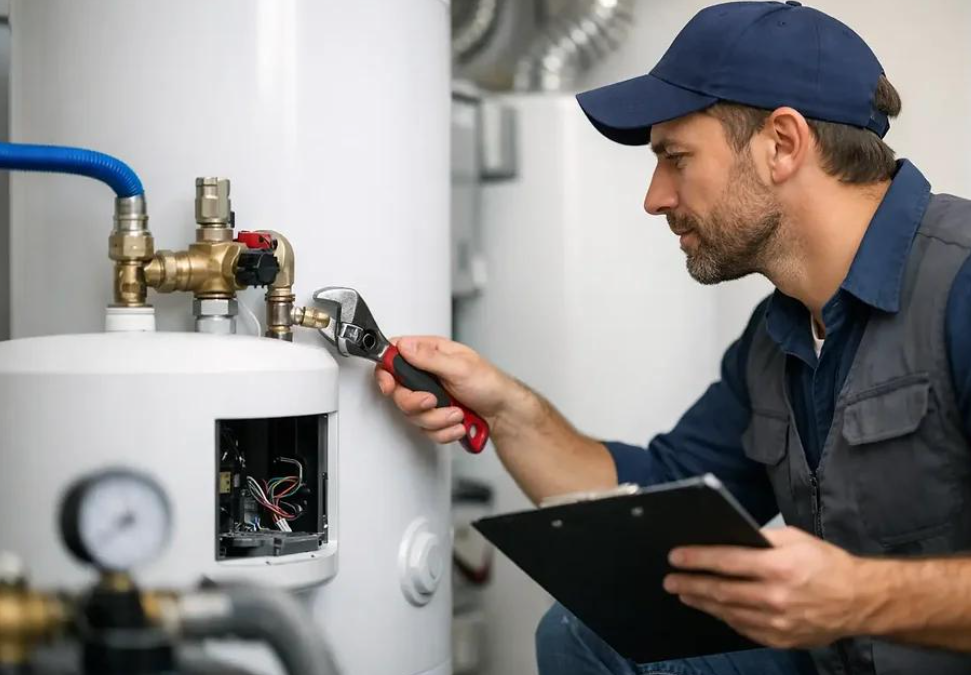
No Hot Water in St. Louis? Water Heater Problems

No Hot Water in St. Louis? Water Heater Problems

No Hot Water in Your St. Louis Home?

7 Common Water Heater Problems

Imagine getting ready for work on a cold winter morning in St. Louis, turning on the shower, and discovering that there is no hot water. Your kitchen sink is cold, your bathroom faucet is not producing warm water, and your daily routine suddenly becomes difficult.

A water heater problem can happen without much warning. Sometimes the system stops heating completely. In other cases, water gets warm for a few minutes before turning cold again.

Understanding the possible causes can help you identify the problem and decide when professional plumbing service is needed.

American Heating and Air Conditioning provides water heater repair, replacement, and installation services in St. Louis, Missouri. Whether you have a traditional tank water heater or a tankless system, our team can help you discuss your water heater service needs.

Here are seven common reasons your home may not have hot water during winter.

1. Water Heater Has No Power

Electric water heaters depend on electricity to heat water. If the power supply is interrupted, the heating elements cannot operate.

This may be one reason your water heater suddenly stops producing hot water.

Possible causes include:

  • A tripped circuit breaker.
  • An electrical supply problem.
  • A faulty thermostat.
  • A damaged heating element.
  • An internal electrical fault.

If your electric water heater has stopped working, check whether other electrical equipment in your home is also affected.

You can look at the water heater's external display or indicator lights if your model has them. Do not remove electrical covers or touch internal wiring.

If the breaker keeps tripping or the unit shows signs of electrical damage, contact a qualified professional.

2. Gas Water Heater Is Not Heating Water

Gas water heaters use a burner to heat water inside the storage tank.

If the burner does not operate correctly, your household may experience little or no hot water.

Possible causes include:

  • Pilot light problems on models that use a standing pilot.
  • Ignition system failure.
  • Gas supply interruption.
  • Faulty temperature controls.
  • Burner problems.

A gas water heater may also stop working if its safety system detects an operating problem.

Do not attempt to repair gas connections, burners, or ignition components yourself.

If you smell natural gas, leave the property immediately. Do not operate electrical switches or use an open flame. From a safe location, call 911 or your gas utility.

A qualified technician can inspect the system and identify why the burner is not heating the water.

3. Hot Water Runs Out Too Quickly

Does your shower start with warm water but become cold after a few minutes?

This can indicate that your water heater is struggling to meet household demand.

Several issues may cause this problem:

  • A damaged heating element.
  • Sediment accumulation inside the tank.
  • Incorrect temperature control.
  • A water heater that is too small for household demand.
  • A problem with the internal dip tube.

For example, a household with several bathrooms may use more hot water than a small storage water heater can supply during busy morning hours.

If the problem happens regularly, professional inspection can help determine whether your water heater needs repair or a different capacity.

4. Water Heater Produces Lukewarm Water

Sometimes a water heater continues operating but cannot produce water at the expected temperature.

You may notice that your shower never gets properly hot, or water temperature changes unexpectedly.

Possible causes include:

  • Thermostat problems.
  • Heating element failure.
  • Sediment inside the storage tank.
  • A faulty mixing valve.
  • Excessive hot water demand.

Temperature problems should not automatically be blamed on the thermostat.

A professional plumber can inspect the water heater and related plumbing components to identify the cause.

Avoid increasing the temperature setting without checking the manufacturer's instructions. Water that is too hot can create a serious scalding risk.

5. Water Heater Is Leaking

A leaking water heater should never be ignored.

Even a small leak can lead to water damage around the unit, especially when the water heater is installed in a basement, utility room, or enclosed area.

Common reasons for leaks include:

  • Loose plumbing connections.
  • Corrosion inside the tank.
  • Damaged valves.
  • Faulty fittings.
  • Excessive pressure or temperature problems.

Check the area around the water heater for standing water, damp flooring, or visible dripping.

If you find an active leak, avoid touching wet electrical equipment. Shut off the water supply if the valve is safely accessible and contact a professional plumber.

If the leak is coming from the tank itself, replacement may be necessary.

6. Sediment Buildup Inside the Water Heater

Minerals and other particles naturally present in water can settle at the bottom of a storage water heater over time.

This buildup is commonly called sediment.

As sediment accumulates, it can affect how efficiently heat transfers into the water.

You may notice:

  • Popping or rumbling sounds.
  • Longer heating times.
  • Reduced hot water supply.
  • Changes in water temperature.
  • Higher energy consumption.

Sediment buildup can become more noticeable as a water heater gets older or receives little maintenance.

Professional inspection can help determine whether the tank needs maintenance or replacement.

Do not attempt to open or drain a hot water heater without proper knowledge. Hot water and pressure can cause serious injuries.

7. Tankless Water Heater Stops Producing Hot Water

Tankless water heaters heat water as it passes through the unit rather than storing a large amount of heated water in a tank.

They are designed to provide hot water when needed, but they can still experience problems.

Common issues include:

  • Ignition failure.
  • Mineral scale buildup.
  • Water flow problems.
  • Error codes.
  • Blocked air intake or exhaust.
  • Electrical or control problems.

Winter conditions can also affect tankless water heater performance.

Incoming water can be colder during winter, which means the unit must raise the temperature by a greater amount. If the system is already operating near its capacity, household demand may expose a sizing or performance issue.

If your tankless unit displays an error code, note the code and check the manufacturer's instructions.

Do not remove covers or attempt to repair internal gas or electrical components.

A qualified technician can inspect the unit and determine whether cleaning, repair, or replacement is needed.

Why Water Heater Problems Can Become More Noticeable During Winter

Hot water is important throughout the year, but losing it during winter can be especially uncomfortable.

During colder weather, incoming water temperatures may be lower. Tankless systems may need to work harder to reach the selected hot water temperature.

Families may also notice hot water shortages when several showers, appliances, and faucets are used close together.

St. Louis homeowners should pay attention to changes in water temperature, unusual sounds, and signs of leakage before a small issue becomes a complete system failure.

Regular inspection and timely repairs can help keep your water heater operating properly.

What Can You Safely Check Before Calling a Plumber?

Before requesting service, you can perform a few basic checks without opening the water heater.

Check Whether All Faucets Have the Same Problem

Turn on hot water at more than one faucet.

If only one faucet has a problem, the issue may be related to that fixture or its plumbing rather than the water heater.

If every faucet produces cold water, the water heater or its supply may be responsible.

Check the Water Heater Display

If your unit has a digital display, look for an error code or warning light.

Write down the message so you can share it with your plumber.

Look for Visible Leaks

Check around the base of the water heater and nearby connections.

If you notice water, do not touch electrical components or equipment that may be wet.

Check Your Owner's Manual

Different water heaters have different operating controls and safety features.

Refer to the manufacturer's instructions for basic status checks.

Never remove access panels, adjust gas components, bypass safety controls, or work on electrical wiring.

If the cause is not obvious, professional diagnosis is the safest next step.

Should You Repair or Replace Your Water Heater?

Not every water heater problem requires a complete replacement.

In some cases, repairing a faulty component may restore normal operation.

However, an older water heater with repeated breakdowns, tank corrosion, or a major leak may need replacement.

Here are some factors to consider:

Consider repair when:

  • The problem is limited to a replaceable component.
  • The tank is in good condition.
  • The unit has not experienced repeated failures.
  • Repair is a reasonable option based on the equipment's condition.

Consider replacement when:

  • The storage tank is leaking or corroded.
  • The system has repeated repair problems.
  • Replacement parts are difficult to obtain.
  • The unit cannot meet your household's hot water needs.
  • Repair is no longer a practical long-term solution.

A professional inspection can help you compare repair and replacement options before making a decision.

Professional Water Heater Repair in St. Louis, MO

Losing hot water can disrupt your entire household, especially during cold Missouri winters.

Whether your water heater has stopped working, produces lukewarm water, runs out too quickly, or has started leaking, identifying the cause is important.

American Heating and Air Conditioning provides residential and commercial plumbing services in St. Louis, Missouri.

Our advertised plumbing services include:

  • Water heater repair.
  • Water heater installation.
  • Water heater replacement.
  • Tankless water heater services.
  • Plumbing leak detection and repair.

If you are experiencing water heater problems, contact our team to discuss your plumbing needs.

Call American Heating and Air Conditioning at 314-814-3468 for water heater service in St. Louis, MO.

Frequently Asked Questions About Water Heater Problems

1. Why is there no hot water in my house?

Common causes include electrical supply problems, gas ignition failure, faulty heating elements, thermostat issues, or water heater damage. If all faucets produce cold water, have the system inspected.

2. Why does my hot water run out so quickly?

This may happen because of sediment buildup, a damaged heating element, incorrect temperature controls, or a water heater that cannot meet household demand.

3. How do I know if my water heater needs replacement?

A leaking or corroded tank, repeated breakdowns, and poor performance may indicate that replacement is a better option than another repair. A professional inspection can help determine the best choice.

4. Can cold winter weather affect my water heater?

Yes. Colder incoming water can increase the amount of heating required, particularly for tankless systems. Water heater capacity and household demand can also affect hot water availability.

5. Is a leaking water heater dangerous?

A leak can cause property damage and may indicate tank corrosion, a faulty connection, or a pressure-related problem. Avoid wet electrical equipment and contact a professional plumber.

6. Does American Heating and Air Conditioning repair tankless water heaters in St. Louis?

The company advertises tankless water heater services along with water heater repair and installation. Call 314-814-3468 to discuss your particular system and service requirements.


Need Water Heater Repair in St. Louis?

Don't let a water heater problem interrupt your daily routine.

American Heating and Air Conditioning provides water heater repair, installation, and plumbing services for residential and commercial customers.

Call 314-814-3468 today to discuss your water heater service needs.
Furnace making loud noises st-louis

Furnace making loud noises st-louis

Furnace Making Loud Noises?

7 Sounds St. Louis Homeowners Should Never Ignore

When temperatures drop in St. Louis, homeowners depend on their furnaces to keep their homes warm and comfortable. But what happens when your furnace suddenly starts making loud banging, rattling, squealing, or grinding noises?

Unusual furnace sounds can be an early warning that something inside your heating system needs attention. Some noises may come from normal expansion and contraction, while others can indicate problems with the blower motor, ignition system, or other important components.

Ignoring unusual sounds can allow a small mechanical problem to become a more expensive repair.

If your furnace is making strange noises during a cold Missouri winter, understanding what those sounds may mean can help you decide when to contact a professional.

American Heating and Air Conditioning provides professional furnace repair and heating services in St. Louis, MO. Here are seven common furnace noises homeowners should know about.

1. Furnace Makes a Loud Banging or Popping Noise

A loud bang when your furnace starts or stops can be alarming.

Sometimes, popping sounds come from metal ductwork expanding or contracting as heated air moves through the system. This can happen when temperatures inside the ducts change.

However, repeated or unusually loud banging should not be ignored.

Possible causes include:

  • Loose or poorly secured ductwork.
  • Delayed ignition in a gas furnace.
  • Problems with the burner assembly.
  • Internal components that have become loose.

Delayed ignition can cause a noticeable boom when gas does not ignite at the expected time.

When to call for repair:

If you hear repeated loud bangs when your furnace starts, have the system inspected by a qualified HVAC technician. Do not attempt to adjust burners or ignition components yourself.

2. Furnace Making a Rattling Noise

A rattling furnace may indicate loose parts or something vibrating inside the heating system.

You might hear this noise when the blower starts running or while warm air is circulating through your home.

Common causes include:

  • Loose furnace access panels.
  • Loose screws or mounting hardware.
  • Debris inside accessible areas.
  • Loose duct connections.
  • Vibrating internal components.

Sometimes the sound may come from a nearby air duct rather than the furnace itself.

When to call for repair:

If the rattling continues after checking that the exterior furnace panel is properly closed, arrange a professional inspection. Avoid opening internal compartments or attempting repairs yourself.

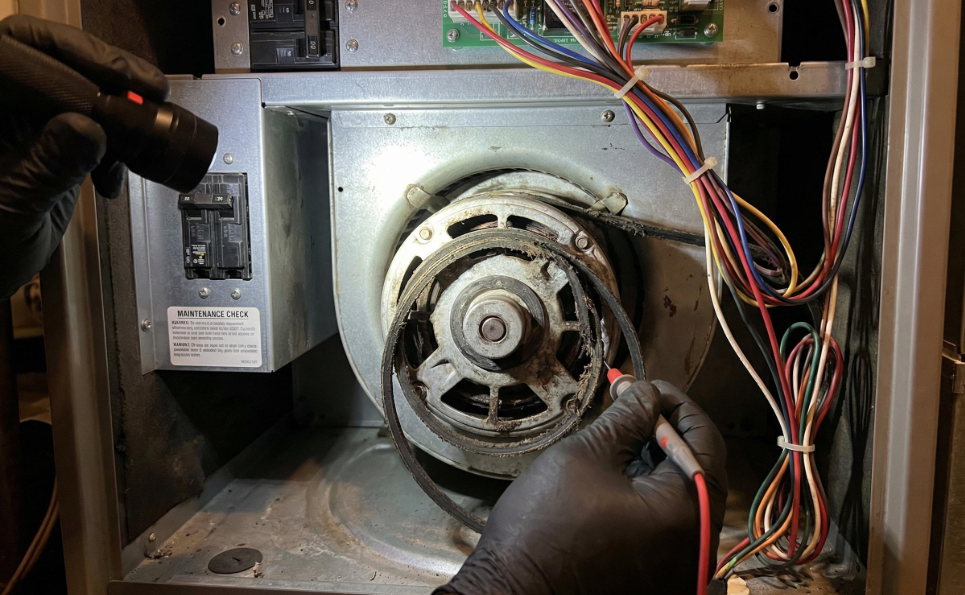
3. High-Pitched Squealing or Screeching Sounds

A high-pitched squealing noise is another common reason homeowners request furnace repair.

This sound may become louder when the heating system starts or when the blower is running.

Possible causes include:

  • Worn blower motor bearings.
  • Motor problems.
  • Loose or worn blower components.
  • Belt-related problems in certain older furnace designs.
  • Restricted airflow.

If the blower motor is struggling, your heating system may also produce weaker airflow or inconsistent heating.

When to call for repair:

Persistent squealing or screeching should be checked by an HVAC professional. Continuing to operate a furnace with a failing motor component may cause additional damage.

4. Grinding or Scraping Noise Coming From the Furnace

Grinding is a noise homeowners should take seriously.

It can indicate that moving parts inside the furnace are worn, damaged, or not operating correctly.

Possible causes include:

  • Damaged blower motor bearings.
  • A blower wheel that is loose or out of position.
  • Motor shaft problems.
  • Mechanical contact between moving components.

A grinding sound that becomes louder over time may indicate a developing mechanical failure.

When to call for repair:

If your furnace produces a loud grinding or scraping sound, stop using the system if it is safe to do so and contact a qualified HVAC technician.

Do not attempt to reach inside the furnace to inspect moving parts.

5. Furnace Makes Repeated Clicking Sounds

A single click when your thermostat calls for heat may be normal.

However, repeated clicking without the furnace successfully starting can indicate a problem.

Possible causes include:

  • Ignition system problems.
  • A faulty flame sensor.
  • Electrical connection issues.
  • Thermostat communication problems.
  • Gas supply or control issues.

If your furnace repeatedly clicks but does not produce warm air, the ignition sequence may not be completing correctly.

When to call for repair:

If clicking continues and your furnace fails to start, professional diagnosis can help identify the faulty component.

Avoid repeatedly resetting the furnace or attempting to bypass its safety controls.

6. Loud Humming or Buzzing From the Furnace

Some furnaces produce a quiet operating hum. A sudden change in sound or a loud electrical buzzing noise deserves attention.

Possible causes include:

  • Blower motor problems.
  • Electrical components vibrating.
  • Loose mounting hardware.
  • Transformer or control-related problems.
  • A struggling motor.

You may also notice that the furnace runs but produces less airflow than usual.

When to call for repair:

If humming or buzzing becomes unusually loud, have the heating system inspected.

Electrical components should only be inspected and repaired by a qualified technician.

7. Furnace Makes a Loud Roaring or Booming Sound

A loud roaring or booming sound during furnace startup should never be dismissed as normal.

In some gas furnaces, delayed ignition or burner problems can cause a loud boom when the system attempts to start.

Other possible causes include combustion or airflow problems.

If the noise is coming from a gas line rather than the furnace, it may indicate a separate and potentially dangerous gas leak.

Important safety warning:

If you smell natural gas, leave your home immediately. Do not operate electrical switches, use matches, or attempt to locate the leak. From a safe location, call 911 or Spire's Eastern Missouri gas emergency line at 800-887-4173.

Do not re-enter until authorities or the gas utility confirm it is safe.

For a loud booming furnace without a gas odor, stop using the system if safe and arrange a professional inspection before operating it again.

Is It Normal for a Furnace to Make Some Noise?

Yes. A furnace is a mechanical system, so some operating sounds are expected.

You may hear:

  • A quiet click when the thermostat activates.
  • A soft hum from the blower motor.
  • Gentle airflow through ductwork.
  • Occasional light popping from expanding or contracting metal ducts.

The important difference is whether the sound is new, unusually loud, repeated, or getting worse.

If your furnace suddenly begins making banging, grinding, squealing, or booming noises, it is worth having the system checked.

What Should You Check Before Calling a Furnace Technician?

There are a few simple things homeowners can safely check without opening the furnace or working on electrical or gas components.

Check Your Air Filter

A dirty air filter can restrict airflow and place additional strain on the blower.

Check whether the filter needs replacement. Always use the filter size and type recommended for your heating system.

Check Your Air Vents

Make sure supply vents and return air grilles are not blocked by furniture, rugs, or curtains.

Restricted airflow can affect heating performance and cause additional strain on your system.

Check Your Thermostat

Confirm that the thermostat is set to heating mode and that the temperature setting is appropriate.

If the thermostat display is blank or behaving unusually, it may need attention.

Listen for Changes in Furnace Operation

Notice when the sound occurs.

Does it happen during startup, while the blower is running, or when the furnace shuts down?

This information can help your HVAC technician understand the problem.

Do not remove furnace panels, touch wiring, adjust gas valves, or attempt to repair internal components.

Why You Should Not Ignore Strange Furnace Noises During Winter

St. Louis homeowners depend heavily on heating systems during cold winter weather.

A furnace with a developing mechanical problem may continue operating for some time, but that does not mean it is safe or reliable.

Delaying professional repairs can lead to:

  • Additional damage to mechanical components.
  • Reduced heating performance.
  • Unexpected system shutdowns.
  • Higher repair costs.
  • Loss of heating during cold weather.

Gas furnace problems also require proper attention to combustion and venting safety.

The Centers for Disease Control and Prevention recommends working carbon monoxide detectors and professional inspection of fuel-burning heating equipment. If your carbon monoxide alarm sounds, leave the home immediately and call 911.

Professional Furnace Repair in St. Louis, MO

A noisy furnace can be a warning that your heating system needs professional attention.

Whether your furnace is making banging, rattling, squealing, grinding, or clicking sounds, identifying the cause early can help prevent additional damage.

American Heating and Air Conditioning provides professional furnace repair and heating services for residential and commercial properties in St. Louis, Missouri.

Our heating services include furnace repair, furnace maintenance, furnace service, heating repair, and furnace installation.

If your heating system is making unusual noises or is not operating properly, contact our team to discuss your repair needs.

Call American Heating and Air Conditioning at 314-814-3468 to schedule furnace repair in St. Louis, MO.

Frequently Asked Questions

1. Why is my furnace making a loud banging noise when it starts?

A loud bang during startup may be caused by duct expansion or a delayed ignition problem in a gas furnace. Repeated or unusually loud banging should be inspected by a qualified HVAC technician.

2. Is a squealing furnace dangerous?

Squealing may indicate worn motor bearings or problems with moving components. It does not always mean immediate danger, but continued operation may cause further mechanical damage. Arrange professional inspection.

3. Why does my furnace make a rattling noise when running?

Rattling can come from loose access panels, duct connections, screws, or internal components. If the noise continues after checking that exterior panels are closed, contact an HVAC professional.

4. Should I turn off my furnace if it makes grinding noises?

If the furnace produces loud grinding or scraping sounds, stop using it if safe and arrange professional inspection. Do not open the furnace or touch internal components.

5. How much does furnace noise repair cost in St. Louis?

Repair costs depend on the source of the noise, the condition of the furnace, and whether parts need replacement. A professional inspection is needed to determine the actual repair required.


Need Furnace Repair in St. Louis?

Don't ignore unusual sounds coming from your heating system.

Contact American Heating and Air Conditioning for professional furnace repair and heating services.

Call 314-814-3468 today.


Need Help With Frozen Pipes?

Don't wait for a small plumbing problem to become a major water leak.

Call 314-814-3468 to contact American Heating and Air Conditioning for plumbing services in St. Louis, MO.

Frozen Pipes in St. Louis? What to Do Before They Burst

Frozen Pipes in St. Louis? What to Do Before They Burst

Frozen Pipes in St. Louis:

Warning Signs, Prevention and Repair

Winter temperatures in St. Louis can create serious plumbing problems for homeowners, especially when water pipes are exposed to freezing conditions. When temperatures drop, water inside unprotected pipes can freeze, expand, and put pressure on the pipe walls. This can eventually cause pipes to crack or burst.

A frozen pipe is more than an inconvenience. If it bursts, water can spread through walls, ceilings, basements, and other areas of your property, potentially causing expensive damage.

Whether you have noticed reduced water pressure, no running water from a faucet, or signs of a leaking pipe, knowing what to do can help protect your home.

American Heating and Air Conditioning provides plumbing services in St. Louis, MO, including frozen pipe repair and pipe insulation. Here is what homeowners should know about frozen pipes and how to protect their plumbing during winter.

Why Do Water Pipes Freeze During St. Louis Winters?

Water pipes freeze when surrounding temperatures become cold enough to freeze the water inside them.

Some plumbing locations are more vulnerable because they have limited insulation or exposure to outside temperatures.

Common areas where pipes may freeze include:

  • Pipes located in unheated basements.
  • Plumbing inside exterior walls.
  • Pipes in garages and crawl spaces.
  • Outdoor faucets and hose connections.
  • Water supply lines in poorly insulated areas.
  • Plumbing in vacant or unoccupied properties.

St. Louis homeowners should pay particular attention to plumbing in areas that receive little heat during winter.

When water freezes, it expands. This expansion creates pressure inside the plumbing system. If the pressure becomes too high, a pipe can crack or burst.

Sometimes the damaged section is not immediately visible because it may be located behind drywall, underneath flooring, or inside a basement ceiling.

7 Warning Signs Your Water Pipes May Be Frozen

Recognizing the early signs of frozen plumbing can help prevent a more serious problem.

1. Little or No Water Coming From Faucets

One of the most common signs of a frozen pipe is reduced water flow.

If you open a faucet and only a small amount of water comes out, or no water comes out at all, a frozen section may be blocking the supply line.

Check other faucets in your home to determine whether the problem affects one fixture or multiple areas.

2. Unusual Sounds Inside Your Plumbing

Frozen or partially blocked pipes may sometimes produce unusual sounds when you turn on a faucet.

You might hear bubbling, gurgling, or other noises as water attempts to move through a restricted pipe.

These sounds do not always mean a pipe is frozen, but they should not be ignored when combined with reduced water flow.

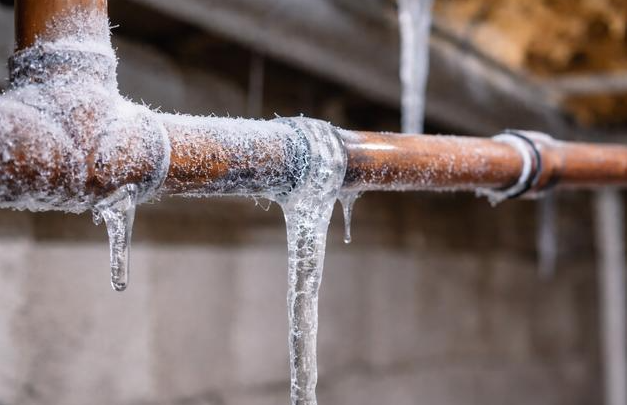
3. Frost on Exposed Pipes

Visible frost or ice on an exposed water pipe is a clear warning sign.

Check plumbing in basements, garages, utility rooms, and other cold areas of your home.

If you notice ice forming around a pipe, avoid applying direct heat.

4. Strange Smells Coming From Drains

Sometimes frozen plumbing can interfere with normal drainage or ventilation.

If you notice unusual odors from a drain during extremely cold weather, have the plumbing system checked to identify the actual cause.

5. Water Stains on Walls or Ceilings

A frozen pipe may crack and begin leaking when the ice starts melting.

Look for unexpected moisture, discoloration, peeling paint, or damp drywall near plumbing lines.

These signs may indicate a hidden water leak.

6. Water Pressure Suddenly Drops

A sudden reduction in water pressure during freezing weather can indicate a partially frozen water supply line.

If the pressure changes unexpectedly, investigate the problem rather than continuing to use the affected fixture.

7. A Water Leak After Temperatures Rise

A pipe can remain damaged even after the ice inside it melts.

If you notice water around plumbing connections, wet flooring, or moisture in your basement after a cold spell, a cracked pipe may be responsible.

Professional inspection can help locate the leak before additional damage occurs.

What Should You Do If Your Pipes Freeze?

If you suspect a frozen pipe, taking the right steps can help reduce the risk of damage.

Follow these precautions:

Step 1: Keep the Faucet Open Slightly

If a faucet is connected to the suspected frozen pipe, opening it slightly may allow water to flow as the ice begins melting.

Do not force the faucet handle if it is stuck.

Step 2: Locate the Frozen Section

Check accessible plumbing in basements, garages, crawl spaces, and exterior walls.

Look for visible frost, ice, or unusually cold sections of exposed piping.

Do not remove drywall or attempt to access concealed plumbing without proper knowledge.

Step 3: Never Use an Open Flame

Never use a torch, lighter, or other open flame to thaw frozen pipes.

Direct flames can damage plumbing, start fires, and create serious safety hazards.

Avoid using boiling water or other extreme heat.

Step 4: Watch for Signs of a Burst Pipe

Check for water leaks, damp surfaces, unusual dripping sounds, or changes in water pressure.

If a pipe has burst or water is actively leaking, shut off the main water supply if you can do so safely.

If water is near electrical equipment, avoid entering the affected area and contact appropriate emergency professionals.

Step 5: Contact a Professional Plumber

If you cannot safely identify or thaw the frozen section, contact a qualified plumber.

Professional plumbing service can help identify the frozen or damaged section, locate leaks, and determine whether pipe repair or replacement is necessary.

For assistance, contact American Heating and Air Conditioning at 314-814-3468.

How to Prevent Frozen Pipes During Winter

Preventive steps can help protect your plumbing when St. Louis temperatures fall.

Insulate Exposed Water Pipes

Pipe insulation helps reduce heat loss and protects plumbing in cold areas.

Pay particular attention to pipes located in:

  • Basements
  • Garages
  • Crawl spaces
  • Utility rooms
  • Exterior walls

American Heating and Air Conditioning lists pipe insulation among its plumbing services.

Disconnect Outdoor Garden Hoses

Before freezing weather arrives, disconnect garden hoses from outdoor faucets.

Where appropriate, use properly installed outdoor faucet covers and follow the manufacturer's instructions.

Maintain Indoor Heating

Keep your home at a consistent temperature during winter, including when you are away.

Avoid turning off your heating system completely during freezing weather.

Open Cabinet Doors

During particularly cold weather, opening cabinet doors beneath kitchen and bathroom sinks can allow warmer indoor air to reach plumbing located along exterior walls.

Make sure children and pets cannot access cleaning products or other hazardous materials stored inside.

Seal Cold Air Leaks

Inspect areas around plumbing openings, windows, doors, and exterior walls.

Sealing gaps can help reduce cold air entering areas where water pipes are installed.

Protect Your Home When Traveling

If you plan to leave your property during winter, take steps to protect your plumbing.

Maintain safe indoor temperatures, arrange for someone to check the property, and consider professional advice about shutting off and draining the water system if appropriate.

What Happens When a Frozen Pipe Bursts?

When water freezes inside a pipe, expanding ice can create significant internal pressure.

A pipe may crack while frozen, but the leak might not become obvious until the ice melts and water begins flowing again.

A burst pipe can cause:

  • Flooding in basements and utility rooms.
  • Water damage to walls and ceilings.
  • Damaged flooring and cabinets.
  • Moisture problems inside wall cavities.
  • Damage to personal belongings.
  • Additional plumbing repair expenses.

If you suspect a burst pipe, shut off the water supply if safe, protect the affected area, and arrange professional plumbing assistance.

Do not assume a pipe is undamaged simply because water begins flowing again.

When Should You Call a Plumber for Frozen Pipe Repair?

Some frozen pipe situations require professional attention, particularly when the affected plumbing is difficult to access or there are signs of damage.

Consider contacting a professional plumber if:

  • Multiple faucets have stopped working.
  • You cannot locate the frozen section.
  • A pipe has visible cracks or damage.
  • Water is leaking from walls or ceilings.
  • You notice water damage after a freezing period.
  • Frozen plumbing repeatedly causes problems.
  • Pipes inside walls or underground may be affected.

Professional diagnosis helps identify the source of the problem and determine the appropriate repair.

American Heating and Air Conditioning provides plumbing services in St. Louis, including frozen pipe repair, pipe insulation, water shut-off solutions, and plumbing leak services.

Professional Frozen Pipe Repair in St. Louis, MO

Frozen pipes can create unexpected problems during Missouri winters. Whether you are dealing with reduced water flow, suspected frozen plumbing, or a burst water line, addressing the problem promptly can help protect your property.

American Heating and Air Conditioning provides residential and commercial plumbing services throughout St. Louis and surrounding communities.

Our plumbing services include pipe insulation, plumbing leak repair, water shut-off solutions, and frozen pipe repair.

If you are experiencing frozen pipe problems or need help protecting your plumbing before winter, contact our team.

Call American Heating and Air Conditioning today at 314-814-3468 to discuss your plumbing service needs.

Frequently Asked Questions About Frozen Pipes

1. At what temperature do water pipes freeze?

Water freezes at 32°F (0°C). However, pipes do not all freeze at the same temperature because insulation, airflow, pipe location, and indoor heating conditions affect how quickly they lose heat.

2. How long does it take for pipes to freeze?

There is no fixed time. Exposed pipes in unheated or poorly insulated areas can freeze relatively quickly during prolonged freezing weather. Indoor conditions and insulation make a significant difference.

3. Can frozen pipes thaw without bursting?

Yes. Some frozen pipes thaw without damage. However, freezing can create cracks that may only become noticeable when the ice melts and water begins flowing again.

4. Should I turn on my faucet if I suspect a frozen pipe?

A slightly open faucet can allow water to flow as ice melts. However, if you suspect a burst pipe or active leak, shut off the water supply if safe and contact a plumber.

5. How can I protect my pipes during a St. Louis winter?

Insulate exposed pipes, disconnect outdoor hoses, seal cold air leaks, maintain indoor heating, and pay attention to plumbing in basements, garages, and crawl spaces.

6. Does American Heating and Air Conditioning provide frozen pipe repair in St. Louis?

Yes. Frozen pipe repair and pipe insulation are listed among the plumbing services offered by American Heating and Air Conditioning. Call 314-814-3468 to discuss your plumbing needs and service availability.


Need Help With Frozen Pipes?

Don't wait for a small plumbing problem to become a major water leak.

Call 314-814-3468 to contact American Heating and Air Conditioning for plumbing services in St. Louis, MO.

Why Is My Furnace Running Constantly in Winter?

Why Is My Furnace Running Constantly in Winter?

Is your furnace running constantly without making your home warm enough? During cold weather in St. Louis, a furnace that seems to run all day can be frustrating. You may also notice higher energy bills or uneven temperatures throughout your home.

A furnace running for long periods does not always mean something is wrong. On very cold days, a heating system may need to run longer to maintain your desired indoor temperature. However, if your furnace runs continuously, struggles to reach the thermostat setting, or never seems to shut off, it is worth investigating.

Here are seven common reasons your furnace may be running constantly and what you can do about them.

1. The Outdoor Temperature Is Very Cold

One of the simplest explanations is that your furnace is working harder because outdoor temperatures have dropped.

When the weather is especially cold, your home loses heat more quickly through walls, windows, doors, and the roof. Your furnace may need longer heating cycles to maintain a comfortable indoor temperature.

What you can do:

  • Keep doors and windows closed.

  • Check for noticeable drafts around windows and exterior doors.

  • Use curtains or blinds to reduce heat loss where appropriate.

  • Keep your thermostat at a comfortable, consistent setting.

If the furnace maintains your desired temperature and operates normally, longer cycles during cold weather may be expected.

2. Your Furnace Air Filter Is Dirty

A clogged air filter can restrict airflow through your heating system. This may cause the furnace to operate inefficiently, overheat, or shut off its burners while the blower continues running.

Restricted airflow can also affect how evenly warm air reaches your rooms.

What you can do:

Check your furnace filter and replace it if it is dirty, following the manufacturer's recommendations. Make sure the replacement filter is the correct size and type for your system.

If your furnace continues running unusually long after you replace the filter, another problem may be responsible.

3. Your Thermostat Is Not Working Properly

Your thermostat tells the furnace when to start and stop heating. Incorrect settings, poor placement, or a faulty thermostat can affect how long the furnace operates.

For example, a thermostat placed near a drafty window or in an unusually cold area may detect a lower temperature than the rest of your home.

What you can do:

  • Confirm that the thermostat is set to Heat.

  • Check the temperature setting.

  • Make sure the thermostat is not affected by direct drafts or another unusual heat source.

  • Check the batteries if your thermostat uses them.

If the furnace continues running after the home reaches the set temperature, a thermostat or control problem may need professional diagnosis.

4. Your Home Is Losing Heat

Even a properly functioning furnace can struggle to maintain indoor temperatures when a home loses heat quickly.

Common sources of heat loss include poorly insulated walls or attic spaces, gaps around windows and doors, and air leaks.

If your home feels drafty or certain rooms are consistently colder than others, heat loss may be contributing to long furnace cycles.

What you can do:

Inspect doors and windows for obvious drafts, seal appropriate gaps, and check whether attic insulation may need improvement.

If the furnace runs continuously but cannot maintain the desired temperature, an HVAC professional can assess the heating system while you investigate insulation and air leakage.

5. Your Ductwork Has Leaks or Airflow Problems

Your furnace relies on ductwork to distribute heated air throughout your home. Leaking, damaged, disconnected, or poorly insulated ducts can reduce heating performance.

You may notice that some rooms receive plenty of warm air while others remain cold. In some cases, the furnace runs for long periods because the home is not reaching the thermostat setting.

What you can do:

Check that supply and return vents are open and unobstructed. Avoid blocking vents with furniture, rugs, or other objects.

If airflow remains uneven, a technician can inspect the ductwork and check for leaks, restrictions, or balancing problems.

6. Your Furnace Is Undersized for Your Home

A furnace must be properly sized for the home's heating requirements. If the system does not provide enough heating capacity, it may struggle to maintain the desired temperature during cold weather.

However, long furnace cycles alone do not prove that the equipment is undersized. Heat loss, airflow restrictions, thermostat problems, and other faults can produce similar symptoms.

If your furnace regularly runs without reaching the thermostat setting, a professional can evaluate its heating capacity and your home's heating requirements.

Replacing a furnace with a larger unit should not be the first step without a proper assessment.

7. Your Furnace Has a Mechanical or Control Problem

A malfunctioning component can prevent your heating system from operating normally.

Possible issues include a faulty thermostat, a control problem, restricted airflow, or a component that causes the burners to shut off while the blower continues operating.

The blower may also run for a short period after the burners turn off as part of normal operation.

If the furnace runs continuously, cycles abnormally, or fails to heat your home, professional testing can help identify the actual cause.

Do not bypass safety controls or attempt repairs involving gas lines, electrical components, or furnace burners yourself.

Is It Normal for a Furnace to Run All Day?

It depends on the conditions and how the system is operating.

During very cold weather, a properly sized furnace may run for extended periods to maintain indoor comfort. Some systems are designed to operate for long cycles, and variable-capacity furnaces may adjust their output to match heating demand.

However, a furnace that runs continuously while the indoor temperature keeps falling may have a problem.

Pay attention to whether your home reaches the thermostat setting, whether airflow feels normal, and whether the furnace displays an error code or repeatedly shuts down.

If the system cannot maintain a comfortable temperature, arrange for an inspection.

Does a Furnace That Runs Constantly Increase Energy Bills?

Longer operation can increase energy consumption, but the effect depends on the furnace type, heating demand, system efficiency, and weather conditions.

A furnace that runs longer because outdoor temperatures are unusually low may be operating normally. A furnace running excessively because of restricted airflow, heat loss, or a mechanical problem may use energy less effectively.

If your heating bills have increased unexpectedly, compare usage with previous periods while accounting for changes in outdoor temperature and energy prices.

Regular maintenance and addressing identified problems can help your heating system operate as intended.

When Should You Call for Furnace Repair?

Consider professional furnace repair if:

  • Your furnace runs continuously but cannot reach the thermostat setting.

  • Your home stays cold despite extended heating cycles.

  • The furnace repeatedly starts and stops.

  • Airflow is unusually weak.

  • Your energy bills increase without an obvious explanation.

  • You notice unusual noises, burning smells, or repeated system shutdowns.

If you smell gas, leave the building immediately without operating electrical switches or using a phone inside. Contact your gas utility or emergency services from a safe location. If your carbon monoxide alarm sounds, get everyone outside and contact emergency services.

Furnace Problems During St. Louis Winters

St. Louis winters can place significant demands on residential and commercial heating systems. When temperatures fall, it is important to know whether your furnace is operating normally or struggling to keep your property warm.

Checking the thermostat, replacing a dirty filter, and keeping vents clear are useful first steps. If these checks do not resolve the problem, professional diagnosis can help prevent unnecessary repairs and restore reliable heating.

American Heating & Air Conditioning provides heating services for residential and commercial properties in St. Louis and nearby communities.

If your furnace runs constantly, struggles to maintain the temperature, or seems to use more energy than usual, contact American Heating & Air Conditioning to discuss your heating concerns.

Frequently Asked Questions

Why does my furnace never reach the temperature on the thermostat?

Possible causes include extreme outdoor temperatures, heat loss, restricted airflow, ductwork problems, thermostat issues, or insufficient heating capacity. An inspection can help identify the cause.

Should I turn off my furnace if it keeps running?

Not necessarily. Extended operation can be normal in cold weather. If the furnace cannot maintain the indoor temperature, overheats, or operates abnormally, arrange for professional assistance. Follow the manufacturer's safety instructions.

Can a dirty filter make my furnace run all day?

A dirty filter can restrict airflow and affect heating performance. Depending on the system, it may contribute to overheating and shutdowns. Check and replace the filter according to the manufacturer's recommendations.

Why does my furnace blower keep running after the heat turns off?

The blower may continue running briefly to distribute remaining heat. If it never stops, check the thermostat's fan setting. A faulty fan control or another system problem may require professional diagnosis.

How can I make my furnace operate more efficiently?

Replace filters as recommended, keep vents clear, seal obvious drafts, maintain suitable thermostat settings, and arrange regular furnace maintenance. These steps can support normal operation, although actual energy savings depend on your home and heating system.

Get Help With a Furnace That Runs Constantly

A furnace running for long periods may be responding to cold weather, or it may be struggling with an underlying problem. Identifying the cause can help restore comfort and avoid unnecessary energy use.

Contact American Heating & Air Conditioning for furnace repair and heating services in St. Louis, Missouri, and nearby service areas.

When Should You Replace a Furnace Instead of Repairing It?

When Should You Replace a Furnace Instead of Repairing It?

When your furnace starts breaking down, deciding whether to repair it or replace it can be difficult. A simple repair may restore your heating system at a reasonable cost, but an older furnace with recurring problems may require more frequent service and higher repair expenses.

For homeowners in St. Louis, Missouri, making this decision before the coldest winter days arrive can help avoid unexpected heating problems.

The right choice depends on your furnace's age, condition, repair cost, energy performance, and the likelihood of future problems. Here are the key factors to consider before making a decision.

1. How Old Is Your Furnace?

Furnace age is one of the first things to consider when deciding between repair and replacement.

Many conventional furnaces have an expected service life of approximately 15 to 20 years, although actual lifespan varies with equipment quality, installation, maintenance, and operating conditions.

If your furnace is relatively new and has developed an isolated problem, repair may be the more practical option.

If your furnace is approaching or beyond its expected service life and has recurring issues, replacement may be worth considering.

Age alone does not mean a furnace must be replaced. A professional inspection can help determine its remaining condition and whether continued repairs make sense.

2. Are Furnace Repairs Becoming More Frequent?

One repair does not necessarily mean your furnace is failing. However, repeated breakdowns can indicate that important components are wearing out or that an underlying problem has not been resolved.

Consider replacement if you notice:

  • Frequent service calls within a short period.

  • Repeated failures of major components.

  • Recurring heating interruptions during cold weather.

  • Increasing repair costs without lasting results.

Before replacing your furnace, ask an HVAC professional to explain what is failing, why it is happening, and whether the proposed repair is likely to provide a reliable solution.

3. Compare the Cost of Repair With Replacement

Repair costs are an important part of the decision, but the cheapest immediate option is not always the most economical over time.

A relatively inexpensive repair on a well-maintained furnace may provide several more years of service. In contrast, an expensive repair on an aging furnace may not be worthwhile if other major components are also deteriorating.

When comparing options, consider:

  • The total cost of the proposed repair.

  • The age and overall condition of the furnace.

  • The likelihood of additional repairs.

  • The cost of installing a replacement.

  • Expected energy use and future maintenance.

Ask for a written estimate that explains the work involved. If replacement is recommended, compare the total installed cost and equipment specifications rather than looking only at the initial price.

4. Your Energy Bills Keep Increasing

If your heating bills have increased, an aging furnace may be one possible reason. Older equipment can be less efficient than modern systems, but higher bills can also result from colder weather, changing energy prices, poor insulation, air leaks, or thermostat settings.

Look at your energy use over several billing periods and compare similar weather conditions where possible.

If your furnace is old and your energy use remains unusually high, an HVAC professional can assess its condition and explain whether repair, maintenance, or replacement could improve performance.

A newer furnace may reduce energy consumption in some homes, but actual savings depend on the existing equipment, replacement model, installation quality, and household heating needs.

5. Your Home Has Uneven Heating

Do some rooms feel comfortable while others remain cold?

Uneven heating can result from several problems, including:

  • Blocked or poorly balanced vents.

  • Leaking or damaged ductwork.

  • Insufficient insulation.

  • Thermostat placement or control issues.

  • A furnace that is not properly sized for the home.

Replacing the furnace will not necessarily solve these problems.

Before investing in new equipment, have the heating system evaluated to identify the actual cause. Sometimes duct repairs, airflow adjustments, or thermostat changes can improve comfort without replacing the furnace.

6. Your Furnace Makes Unusual Noises

Furnaces normally produce some operating sounds, but new or unusually loud noises deserve attention.

Banging, grinding, persistent rattling, or high-pitched squealing can indicate a loose component, motor problem, ignition issue, or another mechanical fault.

Some problems can be repaired without replacing the entire system. However, recurring noises combined with frequent breakdowns may indicate that an older furnace needs a more thorough assessment.

If you hear a sudden loud noise or notice burning smells, smoke, or signs of overheating, turn the system off if it is safe to do so and seek professional assistance. If you suspect a gas leak or carbon monoxide exposure, leave the building and contact emergency services from a safe location.

7. Your Furnace No Longer Keeps Your Home Comfortable

A properly operating heating system should be able to maintain a reasonable indoor temperature under the conditions it was designed for.

If your furnace runs frequently but struggles to heat your home, possible causes include restricted airflow, ductwork problems, incorrect sizing, thermostat faults, or failing equipment.

Have these possibilities checked before deciding to replace the furnace. If the system is old, inefficient, and unable to meet your home's heating needs despite appropriate repairs, replacement may be the better long-term choice.

Furnace Repair vs. Replacement: Which Is Better?

Use this general comparison as a starting point.

Repair may make more sense when:

  • Your furnace is relatively young and in good overall condition.

  • The problem is isolated and straightforward to fix.

  • Repair costs are reasonable compared with replacement.

  • The system heats your home adequately when operating.

Replacement may be worth considering when:

  • Your furnace is nearing or beyond its expected service life.

  • Major components are failing or breakdowns keep recurring.

  • Repair costs are substantial relative to the cost of replacement.

  • The furnace is inefficient or no longer meets your home's heating needs.

  • You want to compare the long-term costs of keeping the existing system.

Neither list is an automatic rule. The best decision depends on the specific equipment and your budget.

Why St. Louis Homeowners Should Plan Ahead

St. Louis winters can bring periods of freezing weather, making a dependable furnace important for home comfort.

If your heating system is older or has needed repeated repairs, arranging an inspection before winter demand increases can give you more time to compare repair and replacement options.

Planning ahead may also help you avoid making a rushed decision when your furnace stops working during a cold spell.

What to Ask Before Replacing Your Furnace

Before approving a replacement, ask your HVAC contractor these questions:

  1. What exactly is wrong with my existing furnace?

  2. Can the problem be repaired safely and reliably?

  3. What is the expected cost of the repair?

  4. What is the total installed cost of a replacement?

  5. What efficiency rating and equipment size are appropriate for my home?

  6. Are ductwork repairs or other modifications needed?

  7. What warranty coverage and maintenance requirements apply?

These questions can help you understand your options and compare estimates more confidently.

Professional Furnace Repair and Replacement in St. Louis

Choosing between furnace repair and replacement does not have to be a guessing game. An assessment of your existing equipment can help you understand the problem, estimate the cost of repairs, and decide whether replacement offers better long-term value.

American Heating & Air Conditioning provides heating services for residential and commercial properties in St. Louis and nearby communities.

If your furnace is aging, breaking down repeatedly, or struggling to heat your home, contact American Heating & Air Conditioning to discuss your options.

Frequently Asked Questions

How many years does a furnace usually last?

Many conventional furnaces last around 15 to 20 years, but lifespan depends on maintenance, installation, operating conditions, and equipment quality.

Is it worth repairing a 15-year-old furnace?

It can be. A minor repair may be worthwhile if the furnace is in good condition and has not experienced recurring problems. Compare the repair cost with replacement options before deciding.

Will a new furnace lower my heating bills?

A newer, more efficient furnace may reduce energy use, particularly when replacing an older inefficient model. Actual savings depend on equipment efficiency, weather, insulation, thermostat settings, and installation quality.

Should I replace my furnace before winter?

If your furnace is old, unreliable, or experiencing major problems, evaluating it before winter can give you time to compare options. However, a properly functioning furnace does not need replacement solely because winter is approaching.

Can furnace maintenance extend its lifespan?

Regular maintenance can help identify developing problems, maintain proper operation, and reduce avoidable wear. It cannot prevent every failure or guarantee a specific lifespan.

Make an Informed Decision About Your Heating System

Whether you need a straightforward furnace repair or are considering a complete replacement, understanding the condition of your system is the first step.

Contact American Heating & Air Conditioning for heating services in St. Louis, Missouri, and nearby service areas. Get professional guidance to help determine the right option for your home.

How Often Should You Change Your Furnace Filter?

How Often Should You Change Your Furnace Filter?

Changing your furnace filter regularly is one of the simplest ways to help maintain your home's heating system. A dirty filter can restrict airflow, reduce heating performance, and contribute to furnace problems during cold weather.

For homeowners in St. Louis, Missouri, checking the furnace filter before and during winter can help keep the heating system running properly when temperatures drop.

But how often should you replace your furnace filter? The answer depends on the type of filter you use, your household, and how frequently your heating system runs.

How Often Should You Replace a Furnace Filter?

Most disposable furnace filters need replacement every 1 to 3 months, but some require more frequent changes. Always follow the filter manufacturer's recommendations and check the filter regularly.

Here is a general guide:

  • Every 30 days: Some basic fiberglass filters and filters in homes with heavy dust or high usage.

  • Every 60 days: Some standard pleated filters under typical household conditions.

  • Every 90 days: Some pleated filters designed for longer use in homes with relatively low dust levels.

  • More frequently when needed: Homes with pets, ongoing construction, heavy dust, or other conditions that cause filters to become dirty faster.

These timeframes are general estimates, not fixed rules. The correct replacement schedule depends on your specific filter and furnace.

5 Signs Your Furnace Filter Needs Changing

You do not always need to wait until the end of a recommended replacement period. Check your filter for these warning signs.

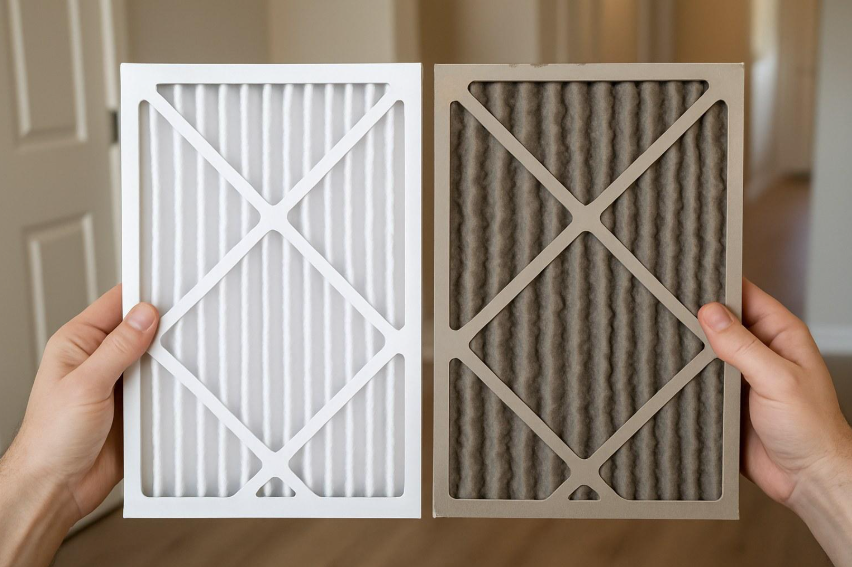
1. The Filter Looks Dirty or Clogged

A visibly dirty filter may have collected enough dust and debris to restrict airflow. If you can no longer see the filter material clearly through the accumulated dirt, check the manufacturer's guidance and replace it when appropriate.

Do not wait for the filter to become completely blocked before changing it.

2. Airflow From Your Vents Seems Weak

If airflow from several vents has decreased, a clogged filter could be one possible cause.

Check the filter and make sure furniture or other objects are not blocking supply and return vents. If airflow remains weak after replacing a dirty filter, the problem may involve the blower, ductwork, or another system component.

3. Your Furnace Runs Longer Than Usual

A restricted filter can reduce airflow and affect how efficiently your heating system operates.

If your furnace seems to run longer than normal, inspect the filter. However, longer heating cycles can also result from colder outdoor temperatures, thermostat settings, poor insulation, or other problems.

4. Your Home Has More Dust Than Usual

A dirty filter may be less effective at capturing airborne particles, depending on its condition and design.

If dust accumulates quickly around your home, check the filter and consider other possible sources, such as open windows, pets, or construction work.

Remember that a furnace filter is not a complete solution for every indoor air quality concern.

5. Your Furnace Overheats or Shuts Down Repeatedly

A severely clogged filter can restrict airflow enough to cause some furnaces to overheat and shut off their burners as a safety measure.

If your furnace repeatedly shuts down, replacing a dirty filter may help, but do not assume it is the only cause. Arrange for professional inspection if the problem continues.

How to Change a Furnace Filter

Many homeowners can replace a standard disposable furnace filter by following a few simple steps.

Step 1: Turn off the heating system.

Follow your furnace manufacturer's instructions before accessing the filter compartment.

Step 2: Locate the filter.

The filter is often near the furnace's return-air duct or inside a designated filter slot. Some systems use a different arrangement.

Step 3: Check the filter size.

Look at the dimensions printed on the existing filter. Replacement filters should match the required size and specifications for your system.

Step 4: Check the airflow arrow.

Many filters have an arrow showing the direction of airflow. Install the filter according to the markings on the furnace or filter compartment.

Step 5: Install the new filter securely.

Make sure the filter fits properly without large gaps or bending.

Step 6: Restore operation and check the system.

Close any access panels and restart the heating system according to the manufacturer's instructions.

If the filter is difficult to access or your system uses a specialized filtration arrangement, consult an HVAC professional.

Which Furnace Filter Should You Use?

Not all furnace filters are the same. Choosing a filter involves balancing filtration needs with the airflow requirements of your heating system.

Fiberglass Filters

Basic fiberglass filters are generally inexpensive and designed primarily to capture larger airborne particles. They often need more frequent replacement.

Pleated Filters

Pleated filters have a larger filtering surface and are available in different filtration ratings. Their replacement intervals depend on the specific product and household conditions.

High-Efficiency Filters

Higher-rated filters can capture smaller particles, but not every furnace is designed to handle every filter's airflow resistance.

Before installing a higher-rated filter, check your furnace manufacturer's recommendations. An unsuitable filter can restrict airflow and affect system performance.

Can a Dirty Furnace Filter Increase Heating Costs?

It can. When a filter becomes significantly clogged, restricted airflow may cause the heating system to operate less effectively. In some circumstances, this can increase energy use or contribute to unnecessary wear.

The actual effect depends on the furnace design, filter condition, and other factors affecting your home's heating demand.

Regularly inspecting and replacing the filter is a simple maintenance step that can help support proper airflow and reliable operation.

Furnace Filter Maintenance During St. Louis Winters

St. Louis homeowners often use their heating systems regularly during colder months. As the furnace runs more frequently, its filter can collect dust and other airborne particles.

Consider these maintenance habits:

  • Inspect the filter monthly during periods of heavy heating use.

  • Replace it according to its condition and the manufacturer's schedule.

  • Keep return-air vents clear of furniture and other obstructions.

  • Arrange routine professional maintenance for your heating system.

  • Pay attention to unusual noises, reduced airflow, or repeated furnace shutdowns.

These steps can help you identify problems early and maintain more consistent heating throughout your home.

When Should You Call an HVAC Professional?

Changing a furnace filter is straightforward, but some heating problems require professional attention.

Contact an HVAC professional if your furnace continues overheating, shuts down repeatedly, produces unusual noises, or fails to heat your home properly after you replace a dirty filter.

A technician can inspect the furnace, check airflow, and determine whether another component needs attention.

American Heating & Air Conditioning provides heating services for residential and commercial properties in St. Louis and nearby communities.

If your heating system is not performing as expected, contact American Heating & Air Conditioning to discuss your concerns and arrange service.

Frequently Asked Questions

Can I change my furnace filter every month?

Yes, if the filter's specifications and your household conditions call for monthly replacement. Some filters can last longer, so follow the manufacturer's instructions and inspect the filter regularly.

What happens if I never change my furnace filter?

A neglected filter can become clogged, restricting airflow and potentially contributing to overheating, reduced heating performance, or additional system strain.

Does a thicker furnace filter last longer?

Not necessarily. Filter thickness alone does not determine its lifespan. Filter design, surface area, filtration rating, airflow, and household conditions all matter.

Should I turn off my furnace before changing the filter?

Follow the manufacturer's instructions. Turning off the system before accessing the filter is a sensible precaution for many residential furnaces.

Can the wrong furnace filter damage my heating system?

A filter that does not fit correctly or restricts airflow beyond what the system can handle may cause performance problems. Always use a filter that meets the furnace manufacturer's specifications.

Keep Your Furnace Running Properly

Regular filter replacement is a simple way to help maintain airflow and support reliable heating during cold weather.

For furnace maintenance, heating repairs, and other HVAC services in St. Louis, Missouri, contact American Heating & Air Conditioning for assistance with your home's heating system.