
Frozen Pipes in St. Louis:
Warning Signs, Prevention and Repair
Winter temperatures in St. Louis can create serious plumbing problems for homeowners, especially when water pipes are exposed to freezing conditions. When temperatures drop, water inside unprotected pipes can freeze, expand, and put pressure on the pipe walls. This can eventually cause pipes to crack or burst.
A frozen pipe is more than an inconvenience. If it bursts, water can spread through walls, ceilings, basements, and other areas of your property, potentially causing expensive damage.
Whether you have noticed reduced water pressure, no running water from a faucet, or signs of a leaking pipe, knowing what to do can help protect your home.
American Heating and Air Conditioning provides plumbing services in St. Louis, MO, including frozen pipe repair and pipe insulation. Here is what homeowners should know about frozen pipes and how to protect their plumbing during winter.
Why Do Water Pipes Freeze During St. Louis Winters?
Water pipes freeze when surrounding temperatures become cold enough to freeze the water inside them.
Some plumbing locations are more vulnerable because they have limited insulation or exposure to outside temperatures.
Common areas where pipes may freeze include:
- Pipes located in unheated basements.
- Plumbing inside exterior walls.
- Pipes in garages and crawl spaces.
- Outdoor faucets and hose connections.
- Water supply lines in poorly insulated areas.
- Plumbing in vacant or unoccupied properties.
St. Louis homeowners should pay particular attention to plumbing in areas that receive little heat during winter.
When water freezes, it expands. This expansion creates pressure inside the plumbing system. If the pressure becomes too high, a pipe can crack or burst.
Sometimes the damaged section is not immediately visible because it may be located behind drywall, underneath flooring, or inside a basement ceiling.
7 Warning Signs Your Water Pipes May Be Frozen
Recognizing the early signs of frozen plumbing can help prevent a more serious problem.
1. Little or No Water Coming From Faucets
One of the most common signs of a frozen pipe is reduced water flow.
If you open a faucet and only a small amount of water comes out, or no water comes out at all, a frozen section may be blocking the supply line.
Check other faucets in your home to determine whether the problem affects one fixture or multiple areas.
2. Unusual Sounds Inside Your Plumbing
Frozen or partially blocked pipes may sometimes produce unusual sounds when you turn on a faucet.
You might hear bubbling, gurgling, or other noises as water attempts to move through a restricted pipe.
These sounds do not always mean a pipe is frozen, but they should not be ignored when combined with reduced water flow.
3. Frost on Exposed Pipes
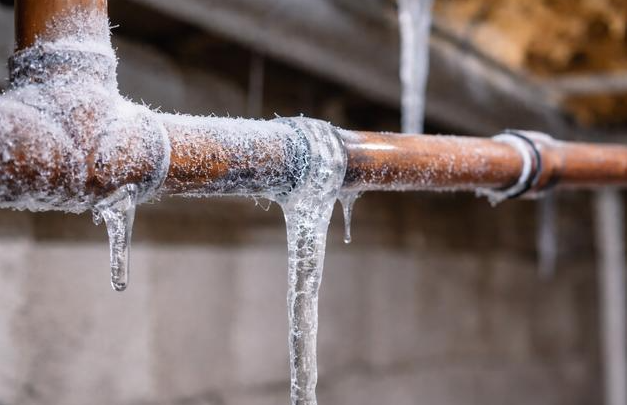
Visible frost or ice on an exposed water pipe is a clear warning sign.
Check plumbing in basements, garages, utility rooms, and other cold areas of your home.
If you notice ice forming around a pipe, avoid applying direct heat.
4. Strange Smells Coming From Drains
Sometimes frozen plumbing can interfere with normal drainage or ventilation.
If you notice unusual odors from a drain during extremely cold weather, have the plumbing system checked to identify the actual cause.
5. Water Stains on Walls or Ceilings
A frozen pipe may crack and begin leaking when the ice starts melting.
Look for unexpected moisture, discoloration, peeling paint, or damp drywall near plumbing lines.
These signs may indicate a hidden water leak.
6. Water Pressure Suddenly Drops
A sudden reduction in water pressure during freezing weather can indicate a partially frozen water supply line.
If the pressure changes unexpectedly, investigate the problem rather than continuing to use the affected fixture.
7. A Water Leak After Temperatures Rise
A pipe can remain damaged even after the ice inside it melts.
If you notice water around plumbing connections, wet flooring, or moisture in your basement after a cold spell, a cracked pipe may be responsible.
Professional inspection can help locate the leak before additional damage occurs.
What Should You Do If Your Pipes Freeze?
If you suspect a frozen pipe, taking the right steps can help reduce the risk of damage.
Follow these precautions:
Step 1: Keep the Faucet Open Slightly
If a faucet is connected to the suspected frozen pipe, opening it slightly may allow water to flow as the ice begins melting.
Do not force the faucet handle if it is stuck.
Step 2: Locate the Frozen Section
Check accessible plumbing in basements, garages, crawl spaces, and exterior walls.
Look for visible frost, ice, or unusually cold sections of exposed piping.
Do not remove drywall or attempt to access concealed plumbing without proper knowledge.
Step 3: Never Use an Open Flame
Never use a torch, lighter, or other open flame to thaw frozen pipes.
Direct flames can damage plumbing, start fires, and create serious safety hazards.
Avoid using boiling water or other extreme heat.
Step 4: Watch for Signs of a Burst Pipe
Check for water leaks, damp surfaces, unusual dripping sounds, or changes in water pressure.
If a pipe has burst or water is actively leaking, shut off the main water supply if you can do so safely.
If water is near electrical equipment, avoid entering the affected area and contact appropriate emergency professionals.
Step 5: Contact a Professional Plumber
If you cannot safely identify or thaw the frozen section, contact a qualified plumber.
Professional plumbing service can help identify the frozen or damaged section, locate leaks, and determine whether pipe repair or replacement is necessary.
For assistance, contact American Heating and Air Conditioning at 314-814-3468.
How to Prevent Frozen Pipes During Winter
Preventive steps can help protect your plumbing when St. Louis temperatures fall.
Insulate Exposed Water Pipes
Pipe insulation helps reduce heat loss and protects plumbing in cold areas.
Pay particular attention to pipes located in:
- Basements
- Garages
- Crawl spaces
- Utility rooms
- Exterior walls
American Heating and Air Conditioning lists pipe insulation among its plumbing services.
Disconnect Outdoor Garden Hoses
Before freezing weather arrives, disconnect garden hoses from outdoor faucets.
Where appropriate, use properly installed outdoor faucet covers and follow the manufacturer's instructions.
Maintain Indoor Heating
Keep your home at a consistent temperature during winter, including when you are away.
Avoid turning off your heating system completely during freezing weather.
Open Cabinet Doors
During particularly cold weather, opening cabinet doors beneath kitchen and bathroom sinks can allow warmer indoor air to reach plumbing located along exterior walls.
Make sure children and pets cannot access cleaning products or other hazardous materials stored inside.
Seal Cold Air Leaks
Inspect areas around plumbing openings, windows, doors, and exterior walls.
Sealing gaps can help reduce cold air entering areas where water pipes are installed.
Protect Your Home When Traveling
If you plan to leave your property during winter, take steps to protect your plumbing.
Maintain safe indoor temperatures, arrange for someone to check the property, and consider professional advice about shutting off and draining the water system if appropriate.
What Happens When a Frozen Pipe Bursts?
When water freezes inside a pipe, expanding ice can create significant internal pressure.
A pipe may crack while frozen, but the leak might not become obvious until the ice melts and water begins flowing again.
A burst pipe can cause:
- Flooding in basements and utility rooms.
- Water damage to walls and ceilings.
- Damaged flooring and cabinets.
- Moisture problems inside wall cavities.
- Damage to personal belongings.
- Additional plumbing repair expenses.
If you suspect a burst pipe, shut off the water supply if safe, protect the affected area, and arrange professional plumbing assistance.
Do not assume a pipe is undamaged simply because water begins flowing again.
When Should You Call a Plumber for Frozen Pipe Repair?
Some frozen pipe situations require professional attention, particularly when the affected plumbing is difficult to access or there are signs of damage.
Consider contacting a professional plumber if:
- Multiple faucets have stopped working.
- You cannot locate the frozen section.
- A pipe has visible cracks or damage.
- Water is leaking from walls or ceilings.
- You notice water damage after a freezing period.
- Frozen plumbing repeatedly causes problems.
- Pipes inside walls or underground may be affected.
Professional diagnosis helps identify the source of the problem and determine the appropriate repair.
American Heating and Air Conditioning provides plumbing services in St. Louis, including frozen pipe repair, pipe insulation, water shut-off solutions, and plumbing leak services.
Professional Frozen Pipe Repair in St. Louis, MO
Frozen pipes can create unexpected problems during Missouri winters. Whether you are dealing with reduced water flow, suspected frozen plumbing, or a burst water line, addressing the problem promptly can help protect your property.
American Heating and Air Conditioning provides residential and commercial plumbing services throughout St. Louis and surrounding communities.
Our plumbing services include pipe insulation, plumbing leak repair, water shut-off solutions, and frozen pipe repair.
If you are experiencing frozen pipe problems or need help protecting your plumbing before winter, contact our team.
Call American Heating and Air Conditioning today at 314-814-3468 to discuss your plumbing service needs.
Frequently Asked Questions About Frozen Pipes
1. At what temperature do water pipes freeze?
Water freezes at 32°F (0°C). However, pipes do not all freeze at the same temperature because insulation, airflow, pipe location, and indoor heating conditions affect how quickly they lose heat.
2. How long does it take for pipes to freeze?
There is no fixed time. Exposed pipes in unheated or poorly insulated areas can freeze relatively quickly during prolonged freezing weather. Indoor conditions and insulation make a significant difference.
3. Can frozen pipes thaw without bursting?
Yes. Some frozen pipes thaw without damage. However, freezing can create cracks that may only become noticeable when the ice melts and water begins flowing again.
4. Should I turn on my faucet if I suspect a frozen pipe?
A slightly open faucet can allow water to flow as ice melts. However, if you suspect a burst pipe or active leak, shut off the water supply if safe and contact a plumber.
5. How can I protect my pipes during a St. Louis winter?
Insulate exposed pipes, disconnect outdoor hoses, seal cold air leaks, maintain indoor heating, and pay attention to plumbing in basements, garages, and crawl spaces.
6. Does American Heating and Air Conditioning provide frozen pipe repair in St. Louis?
Yes. Frozen pipe repair and pipe insulation are listed among the plumbing services offered by American Heating and Air Conditioning. Call 314-814-3468 to discuss your plumbing needs and service availability.
Need Help With Frozen Pipes?
Don't wait for a small plumbing problem to become a major water leak.
Call 314-814-3468 to contact American Heating and Air Conditioning for plumbing services in St. Louis, MO.