Furnace Not Turning On? Causes and Troubleshooting Steps

Furnace Not Turning On? Causes and Troubleshooting Steps

8 Common Causes and What to Do

When your furnace will not turn on, your home can quickly become uncomfortable during cold weather. You may hear the thermostat click without the furnace starting, or the heating system may appear completely unresponsive.

Several issues can prevent a furnace from starting. Some involve simple settings or power problems, while others require professional HVAC repair.

In this guide, we explain eight common reasons a furnace will not turn on, what you can safely check, and when to contact a heating professional in St. Louis, Missouri.

1. Your Thermostat Is Not Set Correctly

A thermostat controls when your furnace starts heating your home. If the settings are incorrect, the furnace may not receive a heating request.

Start with these checks:

  • Make sure the thermostat is set to Heat.

  • Set the temperature a few degrees above the current room temperature.

  • Check whether the fan is set to Auto.

  • Replace the batteries if your thermostat uses them and the display is weak or blank.

If the thermostat display works but the furnace does not respond, there may be a wiring, control, or furnace problem that needs further inspection.

2. Your Furnace Has Lost Electrical Power

Even gas furnaces need electricity to operate their controls, blower, and ignition system.

A tripped circuit breaker, power interruption, or electrical fault can prevent the furnace from starting.

Check your home's electrical panel for a tripped furnace circuit breaker. If the furnace has an accessible power switch, make sure it has not been accidentally switched off.

Never remove electrical panels or repeatedly reset a breaker that trips again. A recurring electrical problem should be inspected by a qualified professional.

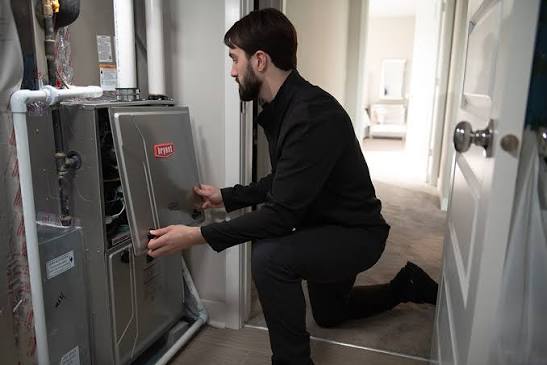
3. The Furnace Door Is Not Properly Closed

Many furnaces have a safety switch that prevents operation when the access panel is not properly installed.

If a panel was recently removed during maintenance or filter replacement, the safety switch may not be engaged.

If the exterior panel is visibly loose, follow the manufacturer's instructions to secure it with the power off. Do not bypass the safety switch or operate the furnace with panels removed.

If the furnace still does not start, another issue may be responsible.

4. The Furnace Air Filter Is Clogged

A dirty air filter usually causes airflow problems rather than preventing every furnace from starting. However, restricted airflow can cause some systems to overheat and shut down.

If your furnace starts briefly and then stops, inspect the filter.

Replace a dirty filter with the correct size and type recommended by the manufacturer. Also check that supply and return vents are not blocked by furniture, rugs, or other objects.

If the furnace continues shutting down after airflow is restored, arrange for a professional inspection.

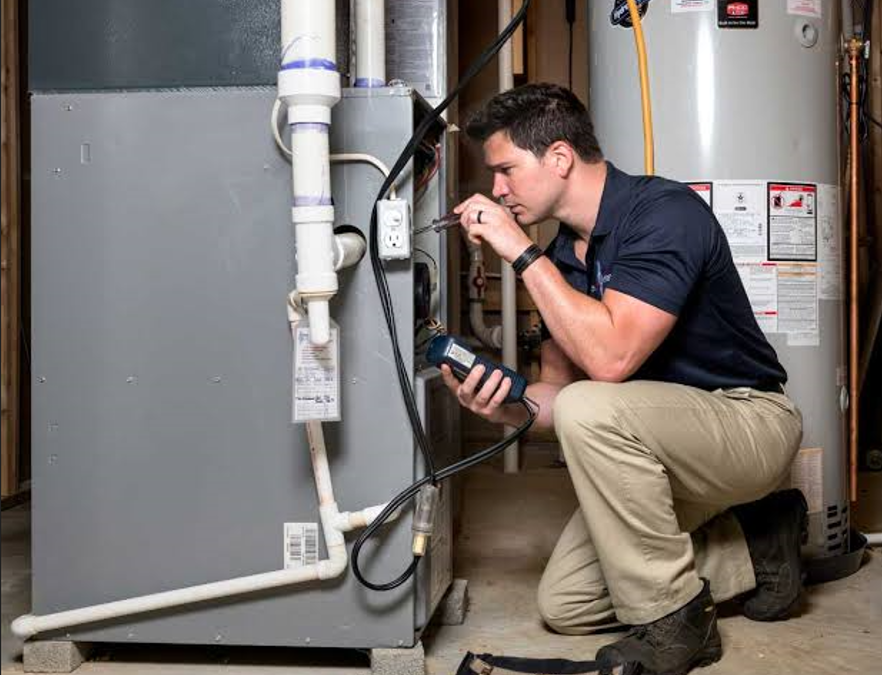
5. The Furnace Ignition System Is Not Working

Gas furnaces need a functioning ignition system to light their burners. Depending on the model, the furnace may use an electronic igniter or a pilot light.

If ignition fails, the furnace may attempt to start without producing heat. Some systems will eventually lock out after repeated unsuccessful attempts.

Possible causes include a failed igniter, a dirty or faulty flame sensor, a gas supply issue, or a problem with the control board.

These components require proper testing. Avoid opening the burner compartment or attempting to repair the ignition system yourself.

6. The Furnace Is Experiencing a Safety Shutdown

Modern furnaces have safety controls designed to stop operation when they detect certain problems.

For example, overheating, a venting problem, or a failed safety sensor may prevent the burners from operating.

Look for an error code or blinking diagnostic light through the viewing window, if your furnace has one. Check the manufacturer's manual to understand what the code means.

Do not bypass safety controls or repeatedly reset a furnace that continues shutting down. A qualified HVAC technician can identify the underlying cause.

7. The Furnace Gas Supply May Be Interrupted

A gas furnace cannot produce heat without an adequate fuel supply.

If other gas appliances are also not working, there may be a broader supply interruption. A furnace may also fail to ignite because of a gas valve or another internal problem.

Do not attempt to adjust gas valves, disconnect gas lines, or dismantle furnace components.

If you smell gas, leave the building immediately without operating switches or using a phone inside. From a safe location, contact your gas utility or emergency services.

8. An Internal Furnace Component Has Failed

Sometimes a furnace will not turn on because an internal component is damaged or malfunctioning.

Possible causes include:

  • A faulty thermostat connection.

  • A failed ignition component.

  • A malfunctioning control board.

  • A defective blower motor.

  • A failed safety switch or sensor.

The correct repair depends on the furnace model and the symptoms. Professional testing can help identify the faulty component instead of replacing parts unnecessarily.

What Should You Do When Your Furnace Will Not Turn On?

Before arranging a service visit, you can safely perform a few basic checks:

  1. Confirm that the thermostat is set to Heat.

  2. Make sure the temperature setting is above the current room temperature.

  3. Check whether the thermostat display is working.

  4. Inspect the air filter and replace it if necessary.

  5. Check the furnace circuit breaker without repeatedly resetting it.

  6. Look for a visible error code and consult the manufacturer's instructions.

If these checks do not solve the problem, avoid repeatedly cycling the furnace on and off. A professional inspection may be needed.

If your carbon monoxide alarm sounds, leave the building immediately and contact emergency services. Do not re-enter until authorities say it is safe.

When to Call for Furnace Repair in St. Louis

You should arrange professional furnace repair if your furnace remains unresponsive, fails to ignite, repeatedly shuts down, or cannot keep your home warm.

During cold weather in St. Louis, resolving a heating problem promptly can help restore comfort and reduce the risk of further system damage.

American Heating & Air Conditioning provides heating services for residential and commercial properties in St. Louis and nearby communities.

If your furnace will not turn on, contact American Heating & Air Conditioning to discuss the symptoms and arrange an appropriate service visit.

Frequently Asked Questions

Why is my furnace not turning on even though the thermostat works?

The thermostat may be working while the furnace has an electrical, ignition, wiring, or safety control problem. A technician can test the system to identify the cause.

Can a dirty filter stop a furnace from working?

A severely clogged filter can restrict airflow and cause some furnaces to overheat and shut down. Replacing the filter may help, but repeated shutdowns require further investigation.

Why does my furnace click but not start?

A clicking sound may come from the thermostat or ignition system. If the furnace repeatedly clicks without starting, the ignition process or another component may not be working correctly.

Should I reset my furnace if it will not turn on?

Follow the manufacturer's instructions for your specific model. Avoid repeated resets, especially if the furnace shuts down again, displays a fault code, or shows signs of overheating.

How do I know if my furnace needs professional repair?

If basic thermostat and filter checks do not resolve the issue, or you notice repeated shutdowns, unusual noises, or ignition problems, arrange for a qualified HVAC technician to inspect the system.

Get Help With a Furnace That Will Not Start

A furnace that will not turn on can have several possible causes. Identifying the problem early can help you choose the right repair and restore heating to your home.

Contact American Heating & Air Conditioning for furnace repair and heating services in St. Louis, Missouri, and nearby service areas.
Why Is My Furnace Blowing Cold Air? 7 Common Causes

Why Is My Furnace Blowing Cold Air? 7 Common Causes

When temperatures drop in St. Louis, a furnace that blows cold air can make your home uncomfortable quickly. You may notice that the furnace is running, but the rooms are not getting warm. In some cases, the system produces warm air for a few minutes before switching to cold air.

Several issues can cause this problem, from incorrect thermostat settings to restricted airflow or a malfunctioning furnace component.

Understanding the possible causes can help you identify simple problems and determine when to contact a professional for furnace repair.

1. Check Your Thermostat Settings

A thermostat is one of the first things to check when your furnace blows cold air.

If the thermostat is set to Fan On instead of Auto, the blower may continue circulating air even when the furnace is not actively heating. This can make the air feel cool between heating cycles.

What you can check:

  • Set the system to Heat.

  • Set the fan to Auto.

  • Raise the temperature a few degrees above the current room temperature.

  • Check whether the thermostat batteries need replacement, if applicable.

If the furnace still does not produce warm air, another issue may be affecting the system.

2. Your Furnace Air Filter May Be Dirty

A clogged furnace filter can restrict airflow through the heating system. Restricted airflow may cause some furnaces to overheat and shut off their burners as a protective measure.

The blower may continue running, which can make it seem like the furnace is blowing cold air.

Check the air filter and replace it if it is dirty or clogged. Use the correct filter size and type recommended for your system.

Regular filter replacement can help maintain airflow and reduce unnecessary strain on your heating equipment.

3. The Furnace May Be Going Through Its Normal Startup Cycle

Many furnaces run a short startup sequence before delivering warm air. Depending on the system, the blower may not start immediately when you turn on the heat.

If the fan starts before the burners have heated the system, you might briefly feel cool air from the vents.

Give the furnace a few minutes to complete its startup cycle. However, if the air remains cold or the furnace repeatedly starts and stops without heating your home, it may need inspection.

4. The Furnace Ignition System May Have a Problem

Gas furnaces need a working ignition system to light the burners. Depending on the model, the system may use a hot-surface igniter or another ignition method.

If the igniter fails, the burners may not light, even though the thermostat is requesting heat.

Other possible causes include a gas supply issue, a faulty flame sensor, or a problem with the furnace control system.

These problems usually require professional diagnosis. Do not attempt to disassemble the burner assembly or repair gas connections yourself.

5. The Furnace May Be Overheating

A furnace has safety controls that can stop the burners if the system becomes too hot. Restricted airflow, a dirty filter, blocked return-air vents, or an internal mechanical problem can contribute to overheating.

When the burners shut off, the blower may continue circulating air through the vents.

Start by checking the filter and making sure furniture or other objects are not blocking the supply or return vents. If the furnace continues shutting down or blowing cool air, arrange for a professional inspection rather than repeatedly resetting the system.

6. Your Furnace May Be Experiencing Short Cycling

Short cycling occurs when a furnace starts, runs briefly, shuts off, and then starts again before completing a normal heating cycle.

This can happen because of restricted airflow, thermostat problems, overheating, an incorrectly sized system, or a malfunctioning component.

Short cycling can prevent your home from reaching a comfortable temperature and may increase wear on furnace components.

If your furnace repeatedly turns on and off, a technician can identify the underlying cause and recommend the appropriate repair.

7. Your Ductwork May Be Losing Warm Air

Sometimes the furnace produces warm air, but the air reaching your rooms feels cool or weak.

Leaking, disconnected, or poorly insulated ductwork can affect how effectively heated air reaches different areas of your home. Blocked vents and airflow imbalances may also contribute to uneven temperatures.

If some rooms stay cold while others heat normally, the issue may involve your ductwork or air distribution rather than the furnace itself.

A professional HVAC inspection can help determine whether the system needs duct repairs, airflow adjustments, or furnace service.

When Should You Call for Furnace Repair?

You should consider professional furnace repair if:

  • Your furnace continues blowing cold air after checking the thermostat and filter.

  • The furnace repeatedly starts and stops.

  • Your home is not reaching the temperature set on the thermostat.

  • You notice unusual noises or repeated system shutdowns.

  • Your furnace will not ignite or keeps displaying an error code.

Important safety note: If you smell gas, leave the building without operating electrical switches or using a phone inside. From a safe location, contact your gas utility or emergency services. If a carbon monoxide alarm sounds, get everyone outside immediately and contact emergency services.

Do not open furnace panels or attempt repairs involving gas lines, ignition components, or electrical connections unless you are qualified to do so.

Furnace Problems During St. Louis Winters

St. Louis winters can bring freezing temperatures, making a reliable heating system important for home comfort.

If your furnace blows cold air, addressing the problem early may help prevent a small issue from becoming a larger repair. Regular maintenance, clean filters, and clear airflow can also help your heating system operate more reliably.

American Heating & Air Conditioning provides heating services for residential and commercial properties in St. Louis and nearby communities.

If your furnace is not heating properly, contact American Heating & Air Conditioning to discuss your heating problem and arrange service.

Frequently Asked Questions

Why is my furnace running but not heating the house?

Possible causes include an incorrect thermostat setting, a dirty air filter, an ignition problem, restricted airflow, or a malfunctioning furnace component. If basic thermostat and filter checks do not help, professional diagnosis may be necessary.

Should I turn off my furnace if it blows cold air?

If the furnace is simply failing to heat, you can switch it off while arranging service if needed. Follow the manufacturer's instructions. If you smell gas, suspect carbon monoxide, or see smoke or signs of fire, leave the building and seek emergency assistance.

Can a dirty furnace filter cause cold air?

Yes. A severely restricted filter can reduce airflow and cause a furnace's safety controls to shut off the burners. The blower may continue running after the burners stop.

How long should I wait for my furnace to blow warm air?

Some furnaces take a few minutes to complete their startup sequence. If warm air does not arrive after a reasonable period, or the furnace repeatedly shuts down, the system may need inspection.

Is furnace repair better than replacing the furnace?

That depends on the furnace's age, condition, repair cost, energy performance, and the likelihood of future problems. A qualified technician can assess the system and explain whether repair or replacement makes more sense.

Need Help With a Furnace That Blows Cold Air?

Do not let a heating problem leave your home uncomfortable during cold weather. Contact American Heating & Air Conditioning for furnace repair and heating services in St. Louis, Missouri, and nearby service areas.
Furnace Repair St Louis

Furnace Repair St Louis

Furnace Repair in St. Louis: Common Heating Problems and When to Call a Professional

When temperatures drop in St. Louis, a reliable heating system is essential for keeping your home warm and comfortable. If your furnace starts blowing cold air, making unusual noises, cycling on and off, or struggling to maintain the temperature, it may be time for professional furnace repair in St. Louis.

A furnace problem should not be ignored. Small heating issues can become expensive repairs if they are left untreated, and some problems can affect your home's safety and indoor comfort.

American Heating and Air Conditioning provides professional heating repair and furnace service in St. Louis, MO, helping homeowners diagnose heating problems and keep their systems operating safely and efficiently.

Common Furnace Problems in St. Louis Homes

Furnaces can develop different problems as they age or experience heavy use during the winter. Here are some of the most common heating problems homeowners may encounter.

1. Furnace Blowing Cold Air

One of the most frustrating problems is turning on the heat and getting cold or lukewarm air from the vents.

Several issues can cause a furnace to blow cold air, including:

  • A dirty or clogged air filter

  • Thermostat problems

  • Ignition failure

  • A malfunctioning flame sensor

  • Problems with the gas supply

  • A faulty blower motor

  • Blocked or restricted airflow

If your furnace is running but your home is not getting warm, professional furnace repair in St. Louis can identify the cause and restore proper heating.

2. Furnace Not Turning On

If your furnace does not start at all, check the thermostat first. Make sure it is set to HEAT and that the temperature is set higher than the current room temperature.

A furnace that still will not start may have an electrical problem, ignition issue, failed thermostat, safety switch problem, or another mechanical fault.

Instead of repeatedly trying to restart the system, contact a qualified furnace technician in St. Louis to inspect the equipment.

3. Furnace Making Strange Noises

Your furnace should not normally make loud or unusual sounds.

Depending on the type of noise, the problem could involve different components:

Rattling: Loose panels or components may be causing the noise.

Banging: A dirty burner or delayed ignition can sometimes cause a loud bang when the furnace starts.

Squealing: A worn blower motor, belt, or other moving component may be responsible.

Grinding: This can indicate a problem with the blower motor or another mechanical component.

Ignoring unusual furnace noises can allow a small mechanical problem to become a more expensive repair.

4. Furnace Turning On and Off Frequently

If your furnace starts, runs for a short period, shuts off, and then starts again repeatedly, it may be short cycling.

Short cycling can be caused by:

  • A dirty air filter

  • Restricted airflow

  • Thermostat problems

  • An oversized furnace

  • Overheating

  • A faulty limit switch

Short cycling can increase energy consumption and place additional stress on your heating system.

If your furnace is constantly turning on and off, schedule heating service in St. Louis before the problem gets worse.

Why Furnace Maintenance Matters

Regular furnace maintenance can help identify problems before they turn into major heating repairs.

During a professional heating inspection, a technician may check important components such as:

  • Furnace burners

  • Ignition system

  • Flame sensor

  • Blower motor

  • Electrical connections

  • Thermostat operation

  • Air filter

  • Safety controls

  • Heat exchanger

  • Airflow

Regular maintenance can also help your heating system operate more efficiently and provide more consistent indoor comfort throughout the winter.

When Should You Call a Furnace Repair Professional?

Some basic furnace maintenance can be handled by homeowners, such as replacing a dirty air filter. However, heating system repairs should generally be handled by a trained professional.

You should consider scheduling furnace repair in St. Louis if you notice:

  • Your furnace is not producing enough heat

  • Cold air is coming from the vents

  • The furnace repeatedly shuts off

  • Your heating bills suddenly increase

  • The furnace makes unusual noises

  • The thermostat is not maintaining the temperature

  • Some rooms are much colder than others

  • The furnace will not turn on

  • The system requires frequent repairs

Getting a heating problem checked early can help prevent a complete system failure during the coldest part of winter.

Furnace Repair vs. Furnace Replacement

Not every furnace problem means you need a new system.

A repair may be the better option when the furnace is relatively young, the problem is minor, and the system has been properly maintained.

However, furnace replacement in St. Louis may make more sense when the system is old, requires frequent repairs, has major component failures, or is no longer providing reliable heating.

A professional HVAC technician can inspect your system and explain whether repairing or replacing the furnace is the more practical option.

Need a New Furnace? Consider Professional Installation

If your existing heating system has reached the end of its useful life, installing a new high-efficiency furnace can provide more reliable heating and improved comfort.

Professional furnace installation in St. Louis is important because the system needs to be correctly sized and installed for your home.

An improperly sized or installed furnace can result in:

  • Uneven heating

  • Higher energy costs

  • Frequent cycling

  • Poor indoor comfort

  • Increased equipment wear

  • Shorter system life

A professional HVAC company can help determine the appropriate heating system for your home's size and heating requirements.

Emergency Furnace Repair in St. Louis

A heating failure can become an urgent problem when outdoor temperatures drop.

If your furnace stops working during extremely cold weather, do not wait too long to address the problem. A professional emergency furnace repair service in St. Louis can help diagnose the issue and determine what needs to be repaired.

If you smell gas, do not attempt to repair the furnace yourself. Leave the area and contact the appropriate emergency service or gas utility before having the heating system inspected by a qualified professional.

How to Keep Your Furnace Running Properly

There are several simple steps homeowners can take to support reliable furnace operation during winter.

Replace the Air Filter Regularly

A dirty filter restricts airflow and makes your furnace work harder. Check your filter regularly and replace it according to the manufacturer's recommendations.

Keep Air Vents Clear

Make sure furniture, curtains, rugs, and other objects are not blocking supply and return vents.

Check Your Thermostat

Make sure your thermostat is operating correctly and is set to the desired heating temperature.

Schedule Professional Heating Maintenance

A professional furnace inspection before the coldest part of winter can help identify worn or failing components before they cause an unexpected breakdown.

Pay Attention to Changes

Unusual noises, higher heating bills, weak airflow, and inconsistent temperatures can all be signs that your heating system needs attention.

Why Choose American Heating and Air Conditioning?

Choosing the right HVAC company is important when your home's heating system is not working properly.

American Heating and Air Conditioning provides professional heating and furnace services in St. Louis, Missouri, for homeowners who need reliable heating solutions.

Our team can help with furnace problems, heating system maintenance, furnace replacement, and new heating installation.

Whether your furnace is blowing cold air, making unusual noises, failing to turn on, or struggling to heat your home, getting the problem professionally diagnosed can help restore comfort and reliable heating.

Schedule Furnace Repair in St. Louis

Don't wait until a small heating problem becomes a major winter breakdown.

If you need furnace repair in St. Louis, heating repair in St. Louis, furnace maintenance, or a new heating system, American Heating and Air Conditioning is ready to help.

Contact us today to schedule professional heating service in St. Louis, MO, and get your home ready for the cold weather.

Frequently Asked Questions About Furnace Repair in St. Louis

How do I know if my furnace needs repair?

Common warning signs include cold air from vents, unusual noises, frequent cycling, weak airflow, inconsistent temperatures, rising energy bills, and a furnace that will not turn on.

How much does furnace repair cost in St. Louis?

The cost depends on the type of problem, the furnace model, the replacement parts required, and the amount of labor involved. A professional inspection is the best way to determine the exact repair needed.

How often should a furnace be serviced?

Annual professional furnace maintenance is generally recommended. Having your heating system inspected before winter can help identify potential problems before they result in a breakdown.

Should I repair or replace my furnace?

It depends on the furnace's age, condition, repair history, efficiency, and the cost of the required repair. A professional HVAC technician can help you compare repair and replacement options.

Why is my furnace running but my house is still cold?

Possible causes include restricted airflow, a dirty filter, thermostat problems, ductwork issues, an undersized furnace, or a malfunctioning heating component. Professional heating service in St. Louis can determine the actual cause.

Can I repair my furnace myself?

Simple tasks such as replacing an air filter are generally suitable for homeowners. Gas, electrical, ignition, burner, heat exchanger, and other mechanical repairs should be handled by a qualified HVAC professional.

Get Reliable Heating Service in St. Louis

Winter weather can arrive quickly in St. Louis. Make sure your heating system is ready before you need it most.

For professional furnace repair, heating repair, furnace maintenance, furnace replacement, and heating installation in St. Louis, contact American Heating and Air Conditioning today.

Air Conditioner Repair St Louis

Air Conditioner Repair St Louis

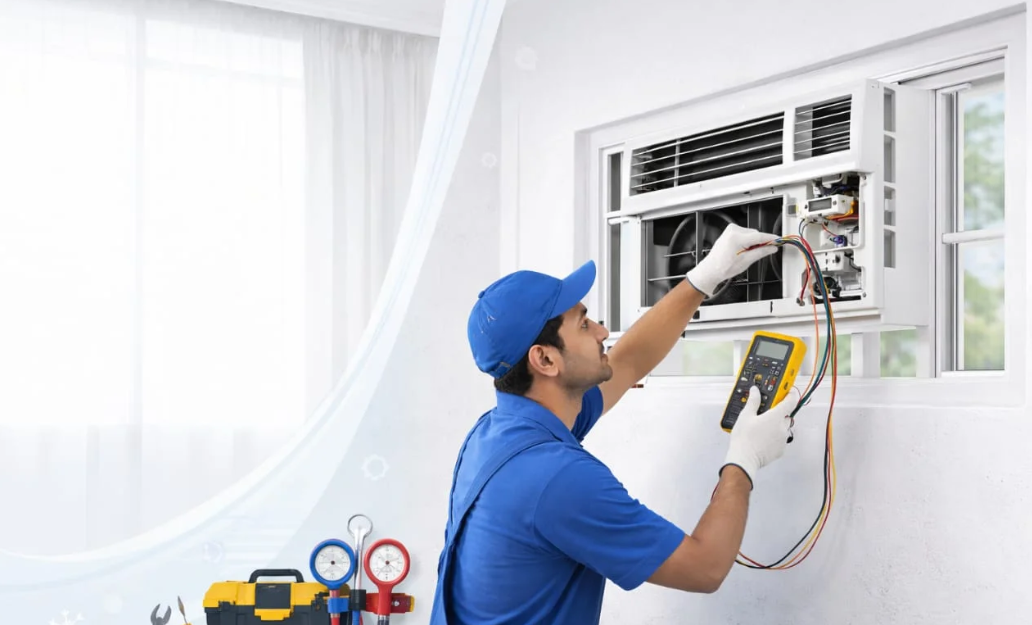
Air Conditioner Repair in St. Louis: Common Problems and When to Call a Professional

When your air conditioner stops cooling properly during a hot St. Louis summer, you need a solution quickly. An AC that blows warm air, makes unusual noises, or struggles to keep your home comfortable may be showing signs of a developing problem.

Some air conditioning problems are simple, while others require professional attention. Knowing the warning signs can help you avoid a larger and more expensive repair later.

If you are looking for air conditioner repair in St. Louis, this guide explains some of the most common AC problems, what may be causing them, and when it is time to contact a professional HVAC technician.

Common Air Conditioner Problems in St. Louis

Air conditioners can develop different problems as they age or operate for long periods. St. Louis weather can put significant demand on an AC system during the summer, especially when temperatures remain high for several days.

Here are some of the most common problems homeowners may experience.

1. Air Conditioner Blowing Warm Air

One of the most frustrating AC problems is when the system is running but the air coming from the vents is not cold.

Several issues can cause this problem, including:

  • A dirty air filter
  • Thermostat problems
  • Low refrigerant
  • Dirty condenser coils
  • Restricted airflow
  • Electrical or mechanical component problems
  • A malfunctioning compressor

Start by checking your thermostat and making sure it is set to cooling mode with the desired temperature below the current room temperature.

You should also check the air filter. A heavily clogged filter can restrict airflow and make it difficult for your AC to cool your home properly.

If the system continues to blow warm air, professional AC repair in St. Louis may be necessary to identify the actual cause.

2. Weak Airflow From the Vents

If your air conditioner is producing cool air but very little air is coming from the vents, there may be an airflow problem.

A dirty filter is one possible cause, but there may also be an issue with the ductwork, blower motor, evaporator coil, or another part of the system.

Weak airflow can make some rooms feel warmer than others and can cause your AC to run longer than normal.

If replacing the filter does not improve airflow, an HVAC professional can inspect the system and determine where the restriction is occurring.

3. Air Conditioner Making Strange Noises

Your AC should produce some normal operating sounds, but sudden or unusual noises should not be ignored.

Different sounds can indicate different problems.

Grinding or squealing:
This may indicate a problem with a motor or another moving component.

Banging or rattling:
Loose or damaged parts may be responsible.

Hissing:
This can sometimes indicate a refrigerant or airflow-related problem.

Clicking:
A small click when the system starts or stops can be normal, but repeated clicking may indicate a problem with an electrical component or another part of the system.

If your air conditioner suddenly becomes much louder than normal, it is better to have it inspected before the problem becomes worse.

4. AC Turning On and Off Frequently

An air conditioner should run long enough to properly cool your home and maintain the temperature.

If your system repeatedly turns on and off after only a short period, it may be experiencing a problem known as short cycling.

Possible causes include:

  • Thermostat problems
  • Restricted airflow
  • Refrigerant problems
  • An oversized AC system
  • Dirty components
  • Other mechanical issues

Short cycling can put additional stress on your air conditioner and may increase energy use.

If you notice your AC constantly starting and stopping, consider scheduling an inspection with an HVAC professional.

5. Water Leaking From the Air Conditioner

Water around your indoor AC equipment is another problem that should not be ignored.

Air conditioning systems naturally produce condensation while removing humidity from indoor air. Normally, this water is collected and drained away.

A clogged condensate drain, frozen coil, damaged drain pan, or another issue can cause water to collect where it should not.

If you notice water around your AC system, turn off the system if necessary and have the problem checked. Continuing to operate a system with a water leak may lead to additional damage.

6. AC Freezing Up

Sometimes homeowners notice ice forming on the indoor or outdoor parts of their air conditioning system.

Although it may seem strange for an AC system to freeze during hot weather, this can happen for several reasons.

Common causes can include:

  • Restricted airflow
  • A dirty filter
  • Low refrigerant
  • Dirty coils
  • Mechanical problems

If you see ice on your AC system, do not simply remove the ice and continue using the system. The ice is usually a symptom of another problem that needs to be identified.

A professional inspection can help determine why the system is freezing.

7. Your AC Is Not Turning On

If your air conditioner does not start at all, first check the thermostat and make sure it has power and is set correctly.

You can also check whether the appropriate circuit breaker has tripped.

If these basic checks do not solve the problem, avoid repeatedly trying to restart the system. There may be a problem with the controls, wiring, motor, capacitor, or another component.

Professional air conditioner repair can help identify the cause and get the system operating properly again.

When Should You Call for AC Repair?

It is normal for an air conditioner to need maintenance and occasional repairs as it gets older. However, some warning signs should not be ignored.

Consider contacting an HVAC professional if you notice:

  • Warm air coming from the vents
  • Weak or restricted airflow
  • Strange noises
  • Unusual odors
  • Water leaking around the system
  • Ice forming on the AC
  • Frequent on-and-off cycling
  • Increasing cooling costs
  • Uneven temperatures between rooms
  • An AC that will not start
  • An older system that requires frequent repairs

Getting a problem checked early can sometimes prevent a minor issue from becoming a major repair.

AC Repair or AC Replacement?

Not every air conditioner problem means you need a new system.

In many cases, a professional repair can restore an existing AC system and extend its useful life.

However, replacement may make more sense when an air conditioner is older, requires frequent repairs, performs poorly, or has a major component failure.

An HVAC professional can inspect your system and explain your available options. The right choice depends on the condition, age, efficiency, repair requirements, and expected future performance of your AC.

How Professional Air Conditioner Repair Works

When you contact an HVAC company for air conditioner repair, the technician should first identify the cause of the problem instead of simply replacing parts.

A typical service visit may include:

  1. Checking the thermostat and system controls
  2. Inspecting airflow
  3. Checking filters and accessible components
  4. Inspecting the indoor and outdoor units
  5. Looking for signs of refrigerant or drainage problems
  6. Checking relevant electrical and mechanical components
  7. Identifying the cause of the problem
  8. Explaining the recommended repair

The exact inspection depends on the symptoms and type of air conditioning system.

A proper diagnosis helps ensure that the actual problem is addressed rather than only treating the symptoms.

How to Help Prevent AC Problems

Regular care can help your air conditioner operate more reliably.

Here are a few simple steps homeowners can take:

Replace or Clean the Air Filter

A dirty filter can restrict airflow and make your AC work harder. Check your filter regularly and replace or clean it according to the manufacturer's recommendations.

Keep the Outdoor Unit Clear

Keep leaves, grass, branches, and other debris away from the outdoor AC unit. Good airflow around the condenser is important for proper operation.

Keep Vents Open

Closing too many vents can affect airflow throughout your home. Make sure supply and return vents are not blocked by furniture, curtains, or other objects.

Schedule Professional Maintenance

Regular HVAC maintenance can help identify potential problems before they cause an unexpected breakdown.

Maintenance can also help keep the system operating efficiently throughout the cooling season.

Why Choose a Local St. Louis HVAC Company?

When your air conditioner stops working, having a local HVAC company you can contact can make the process easier.

A local professional understands the heating and cooling needs of homes in the St. Louis area and can help diagnose common AC problems.

American Heating & Air Conditioning provides HVAC services for homeowners in St. Louis and surrounding areas. If your AC is not cooling properly, making unusual noises, leaking water, or experiencing another problem, professional inspection and repair can help restore comfort to your home.


Frequently Asked Questions About Air Conditioner Repair

How do I know if my air conditioner needs repair?

Common warning signs include warm air, weak airflow, strange noises, water leaks, ice buildup, frequent cycling, unusual odors, and an AC system that will not start.

How often should an air conditioner be serviced?

Regular professional maintenance can help keep an AC system operating properly and identify potential problems early. The recommended maintenance schedule can depend on the age and condition of your system.

Why is my AC running but not cooling my house?

Several problems can cause this, including restricted airflow, thermostat issues, dirty components, refrigerant problems, or mechanical failures. A professional inspection can determine the exact cause.

Should I repair or replace my air conditioner?

It depends on the age and condition of your system, the type of problem, repair cost, and expected future performance. An HVAC professional can help you compare repair and replacement options.

Can a dirty air filter cause AC problems?

Yes. A heavily clogged filter can restrict airflow and make your air conditioner work harder. It can also contribute to other cooling problems.

When should I search for air conditioner repair near me?

If your AC is not cooling properly, repeatedly shuts off, makes unusual noises, leaks water, or will not turn on, it is a good time to contact a qualified local HVAC professional.

Get Professional Air Conditioner Repair in St. Louis

A malfunctioning air conditioner can quickly make your home uncomfortable, especially during hot St. Louis weather. Paying attention to early warning signs can help you address problems before they become more serious.

If you need air conditioner repair in St. Louis, American Heating & Air Conditioning can inspect your system, identify the problem, and recommend the appropriate repair.

Need AC service? Contact American Heating & Air Conditioning to schedule professional air conditioner repair in St. Louis.